
Who Pays for Health? Workshop puts health-tax decisions under the spotlight at #WCPH2026
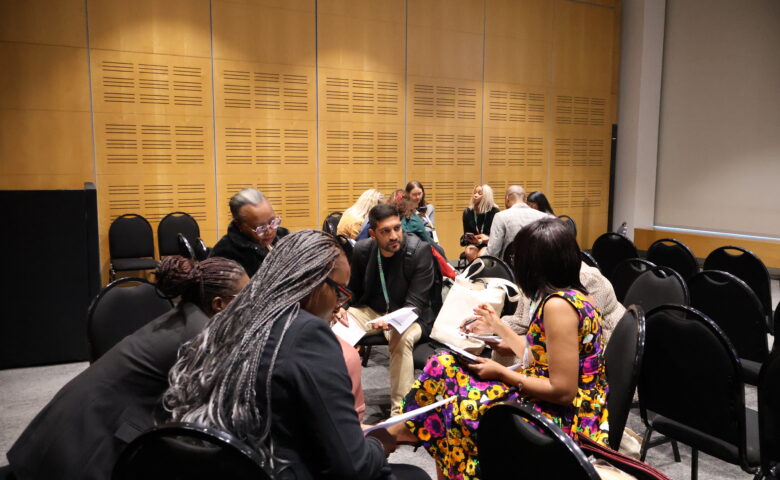
How can countries strengthen primary health care while addressing the growing burden of preventable disease and declining external health funding? This question took centre stage at the “Who Pays for Health?” workshop at the World Congress on Public Health 2026.
Hosted by the Rural Health Advocacy Project (RHAP), the convener of the Health Tax Alliance (HTA), the interactive session explored the role of health taxes on tobacco, alcohol and sugar sweetened beverages. HTA is a coalition of civil society organisations, researchers, health advocates and other stakeholders working to advance effective health taxes in South Africa, recognising taxation as an important tool for reducing the consumption of products that contribute to ill health while raising additional resources for health.
The session examined how stronger and more effectively designed health taxes can contribute to healthier communities and help address the persistent financing gaps facing health systems.
The workshop began with insights from Dr Nicole Vellios, Senior Researcher at the Research Unit on the Economics of Excisable Products (REEP) at the University of Cape Town. She explained how health taxes operate and why their impact goes beyond government revenue. By making harmful products less affordable, taxation can contribute to lower consumption and, ultimately, better health outcomes.
Participants then moved from theory into practice through a policy simulation that placed them in the position of decision-makers. Working with fictional countries, groups were given different health and financing challenges and asked to make difficult choices about taxation and primary health care.
One scenario, Kivukiland, was a low-income country where 35% of health financing came from donors. With donor funding declining, the country was facing a significant gap while continuing to deal with HIV and TB, rising diabetes and hypertension, and alcohol-related harm. Participants had to consider how health taxes could help close the financing gap while protecting essential health programmes.
Another scenario, Blorvania, was a lower middle-income country where most people could reach a primary health care clinic, but obesity, diabetes, hypertension and heart disease were rising. Sugar-sweetened beverages were widely available and alcohol was heavily marketed, creating another challenge for the country’s health system.
Participants were asked to choose between different taxation pathways, ranging from maintaining existing taxes to pursuing more ambitious reforms. They then had to set new tax rates for tobacco, alcohol and sugary drinks and explain the reasoning behind their choices.
The exercise demonstrated the trade offs involved. Higher taxes could generate more revenue and potentially reduce harmful consumption, but participants also had to consider affordability, political resistance and the wider economic arguments that often accompany tax increases.
The discussion did not stop at deciding how much to tax. Participants were also asked to identify where the first money raised should go and how they would ensure that the revenue actually supports primary health care.
Groups identified priorities including non-communicable diseases, obesity, prevention and access to medicines. For countries experiencing medicine stock outs and growing demand for services, the question of how new revenue is protected and invested becomes just as important as how much is raised.
The final part of the simulation focused on the political fight that can accompany health tax reform.
Participants identified the alcohol, tobacco and beverage industries as potential opponents and considered the arguments they might make, including concerns about job losses, the economy and the impact of higher prices on consumers.
Groups were then challenged to develop their response and identify the allies they would need from government and policymakers to advocacy groups and civil society.
The exercise highlighted that health tax reform is not simply a technical or economic decision. It requires political will, strong evidence and clear communication about why the policies matter.
As countries face rising rates of NCDs and increasing pressure on already stretched health systems, the workshop offered participants an opportunity to think through the choices governments face in building more sustainable approaches to health financing.
The central message was clear to say that health taxes can be more than a source of revenue. They can be an investment in healthier populations and stronger primary health care systems.